Normalizing
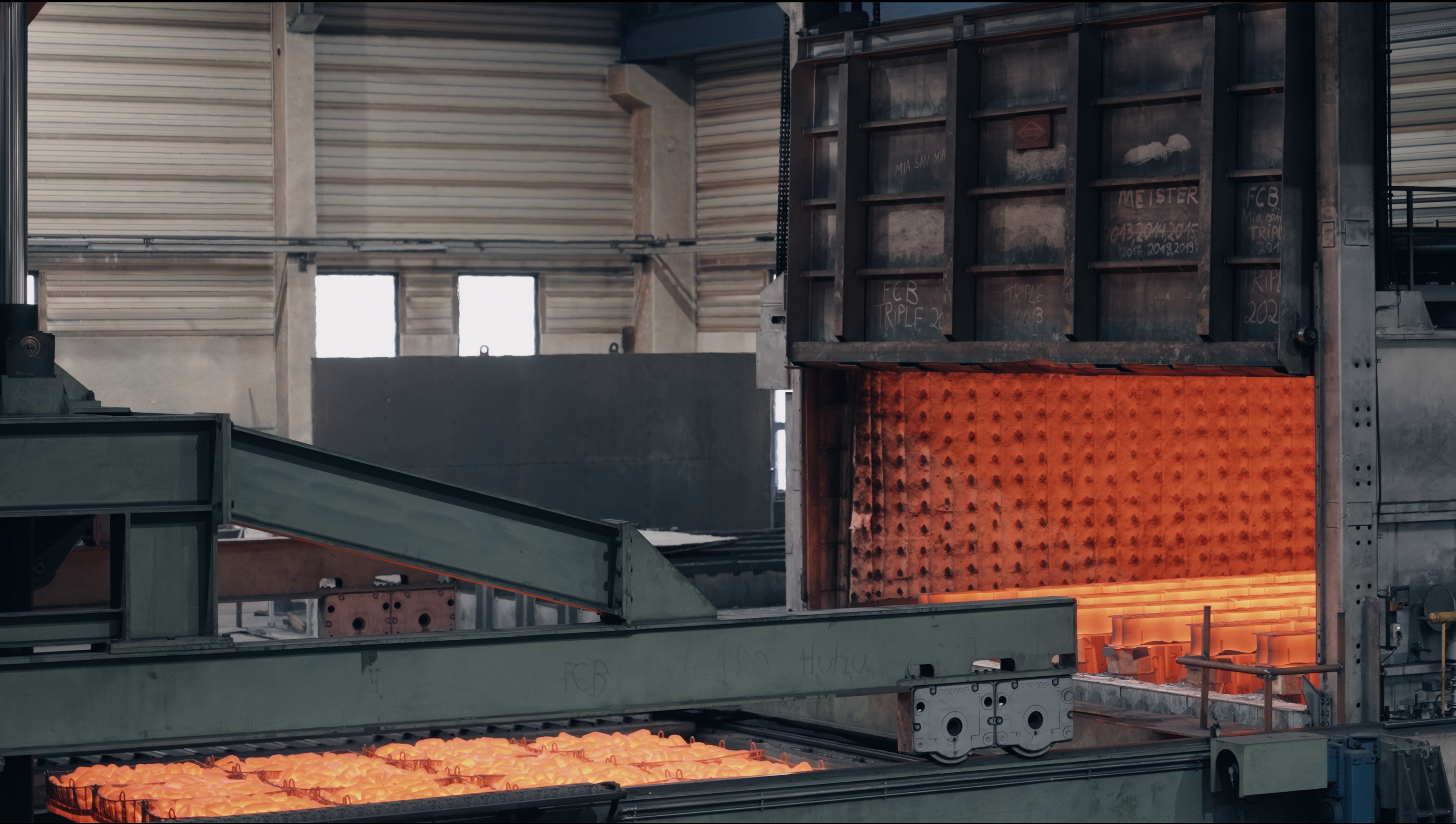
We restore your material to its normal microstructure. Through normalizing, we eliminate coarse grain formation resulting from forging, casting, or welding and create a fine-grained, uniform microstructure for optimal further processing.
Perfect homogeneity for subsequent manufacturing
In large-scale industrial equipment manufacturing, a fine-grained microstructure determines the component’s load-bearing capacity. We heat your welded assemblies precisely to the transformation temperature and cool them in a controlled manner in still air. This allows us to refine coarse microstructures and ensure uniform strength throughout the component.
Normalizing
Annealing of mostly low-alloy, low-carbon steels, followed by relatively slow cooling to achieve a uniform, fine-grained ferritic-pearlitic microstructure with balanced mechanical properties that comply with standards.
Through our controlled normalizing process with proper cooling in still air, we produce a fine-grained, tough microstructure. This allows us to create a completely defect-free starting point for you for further machining or subsequent hardening processes.
Heat Treatment & Temperatures
- Operating temperatures up to 1050 °C (up to 1070 °C for short periods)
- Unrestricted operation throughout the entire lower temperature range
quality assurance (QA)
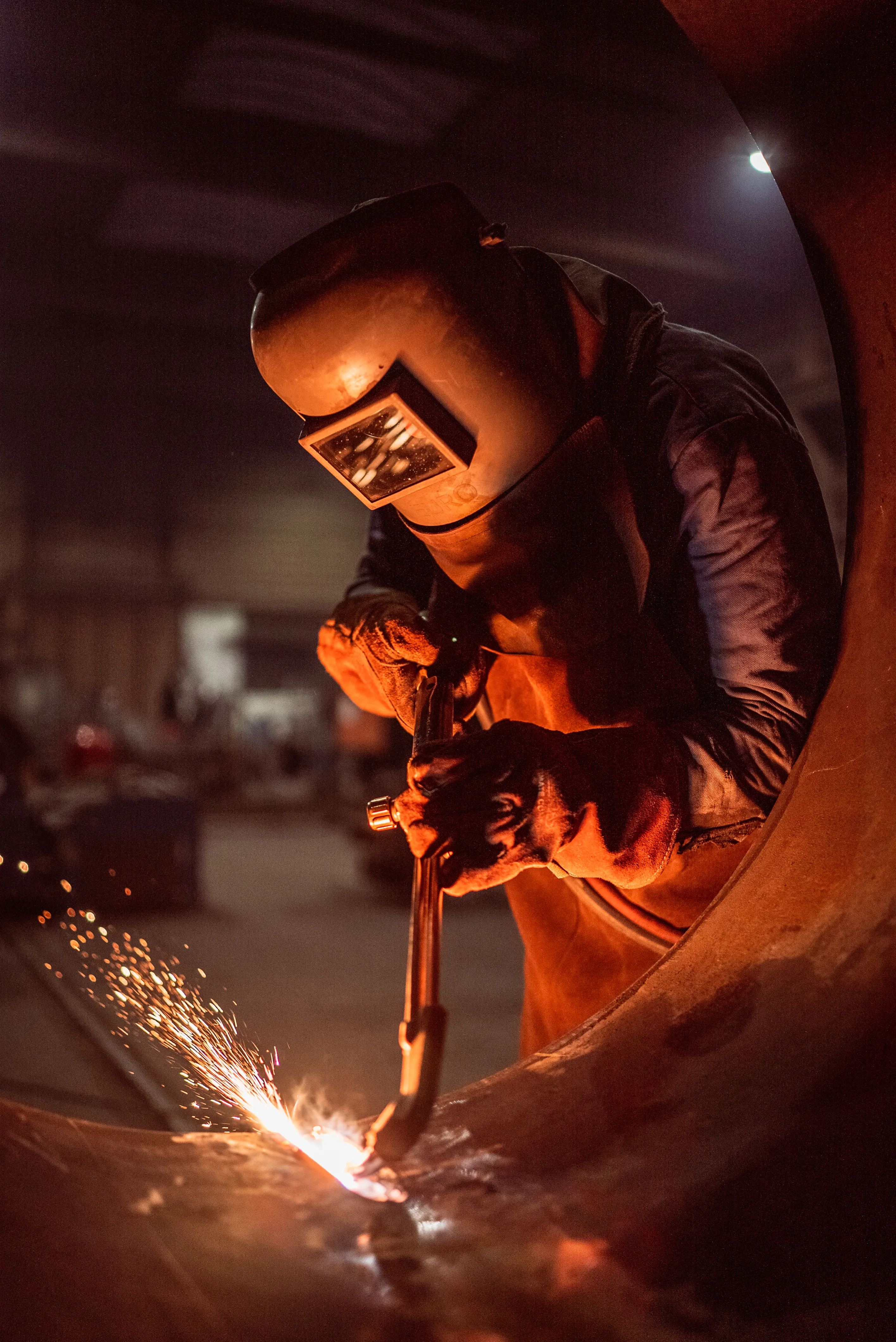
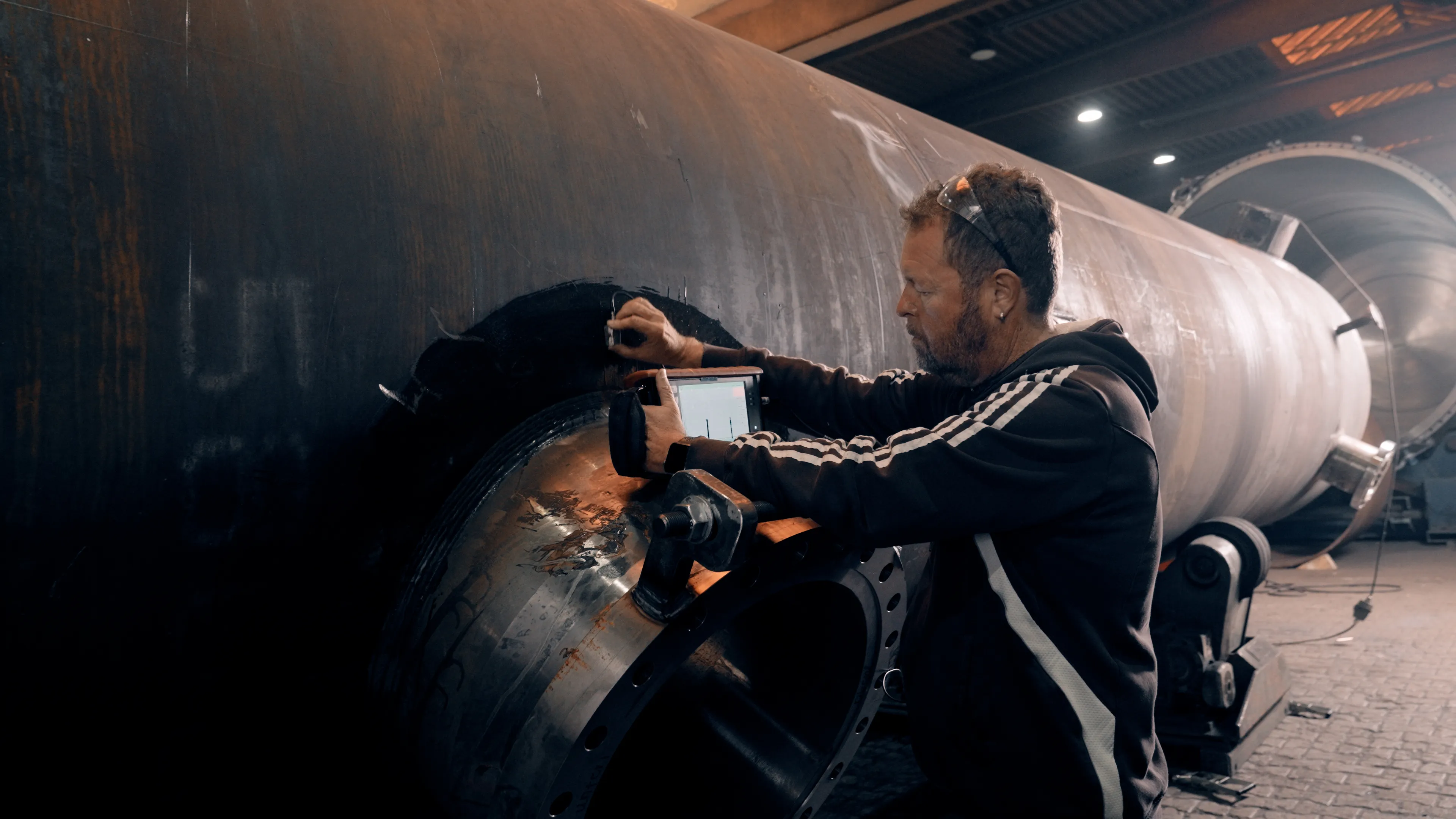
quality assurance (QA) At our company, a team of in-house certified inspectors handles this process, utilizing a wide range of non-destructive and destructive testing methods, precise 3D measurement, and comprehensive batch traceability. This ensures that every component meets our quality standards and complies with applicable regulations.
For a comprehensive and audit-ready Documentation Handled by our own team. All materials, components, and filler metals remain traceable; all documentation is stored in an audit-proof manner and prepared in accordance with standards and individual customer requirements.
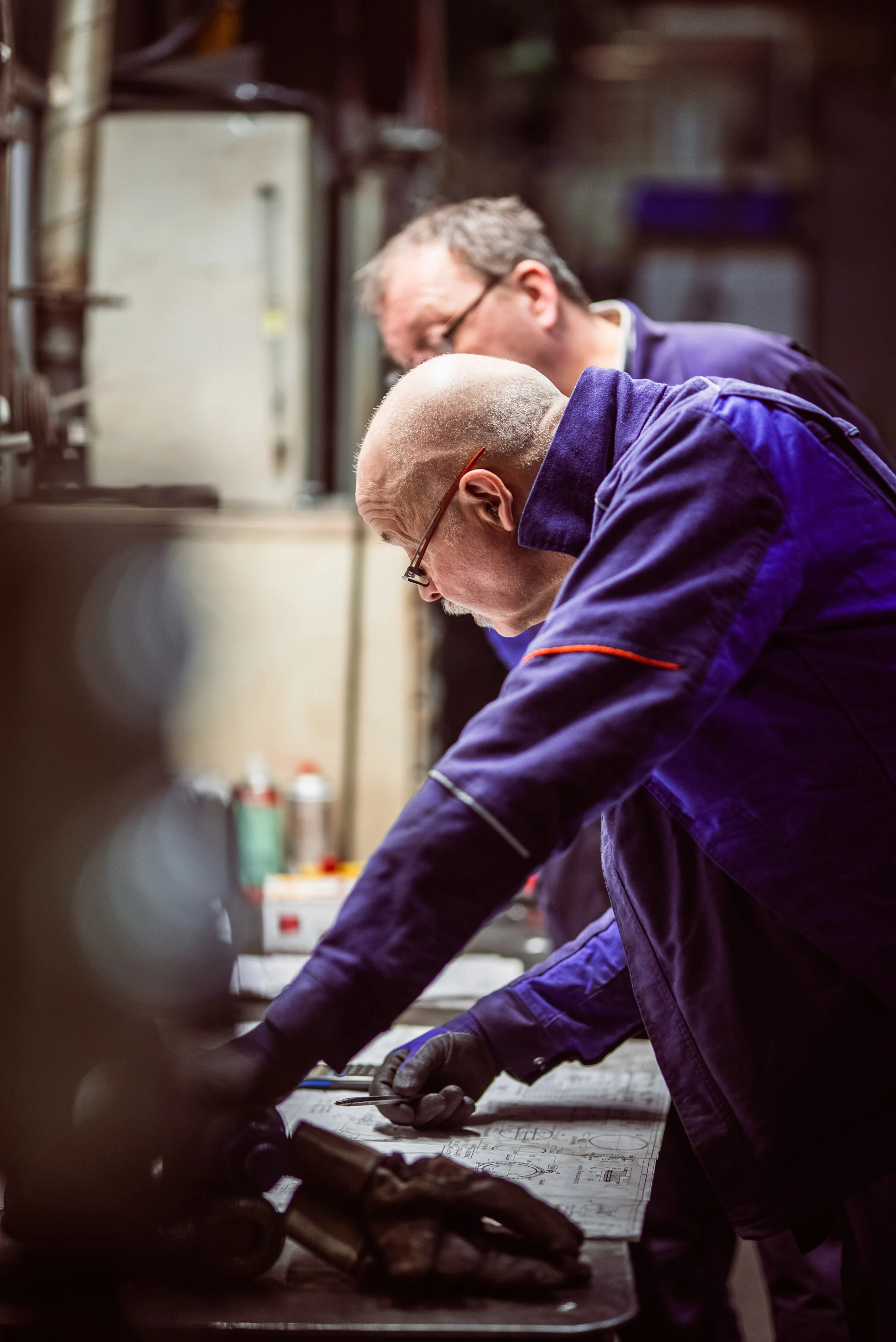
Any questions? We’re here to help you personally.
At WOLF Vessel and Apparatus Construction, you and your projects are our top priority. You can always count on our consistently high product quality and our comprehensive service.
Volker Ermert
Werksleiter/Leiter Wärmebehandlung
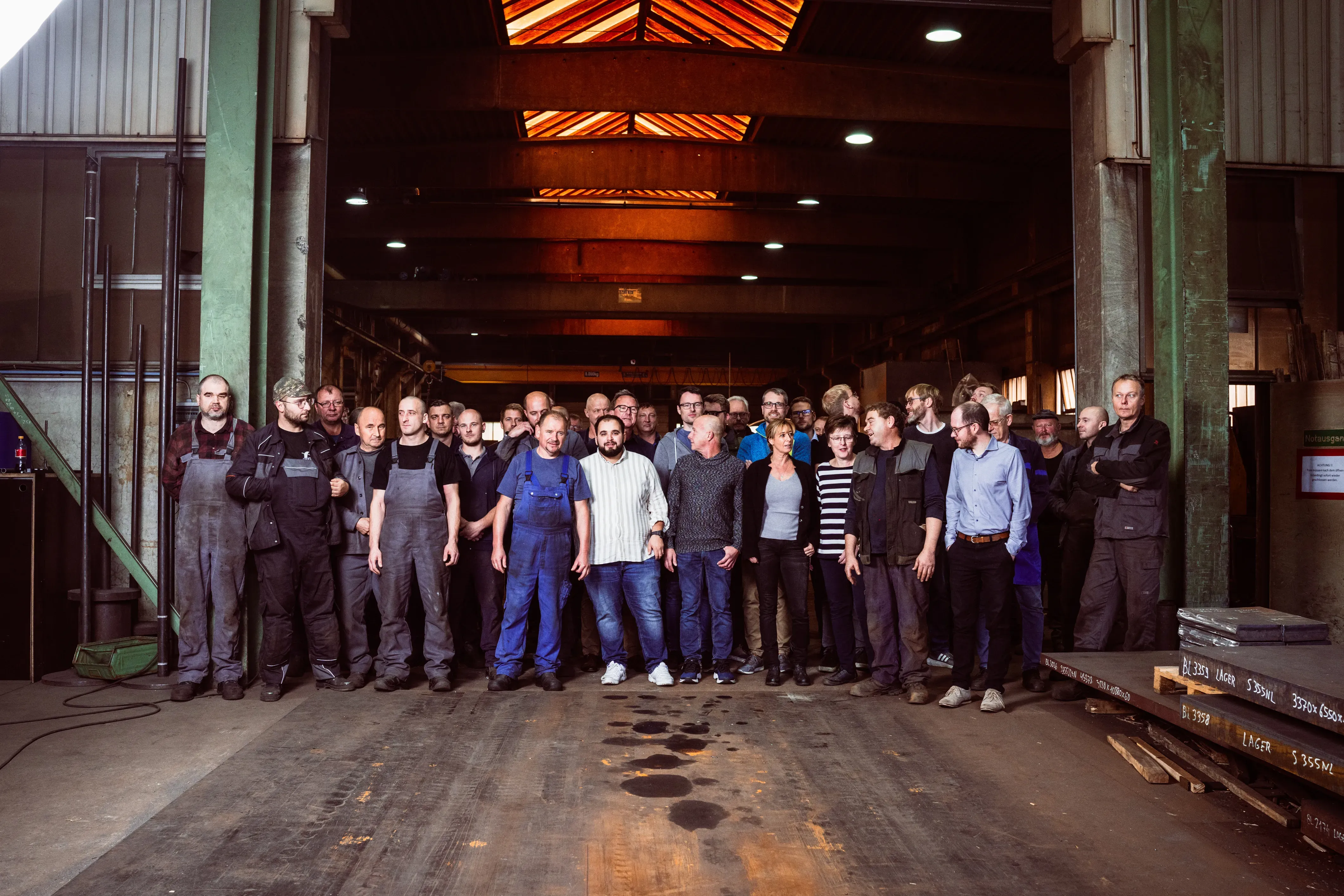
Questions regarding normalizing
When is normal annealing after welding absolutely necessary? What noticeable effects does it have on machinability? We answer common questions about microstructure optimization.
What information do you need to prepare a specific quote? + − Component dimensions (max. length, width, height), component weight, desired heat treatment type (stress relieving heat treatment, normalizing, or other processes), desired surface treatment or cooling strategy, required process documentation, and, if applicable, standards (e.g., DIN/EN standards).
Component dimensions (max. length, width, height), component weight, desired heat treatment type (stress relieving heat treatment, normalizing, or other processes), desired surface treatment or cooling strategy, required process documentation, and, if applicable, standards (e.g., DIN/EN standards).
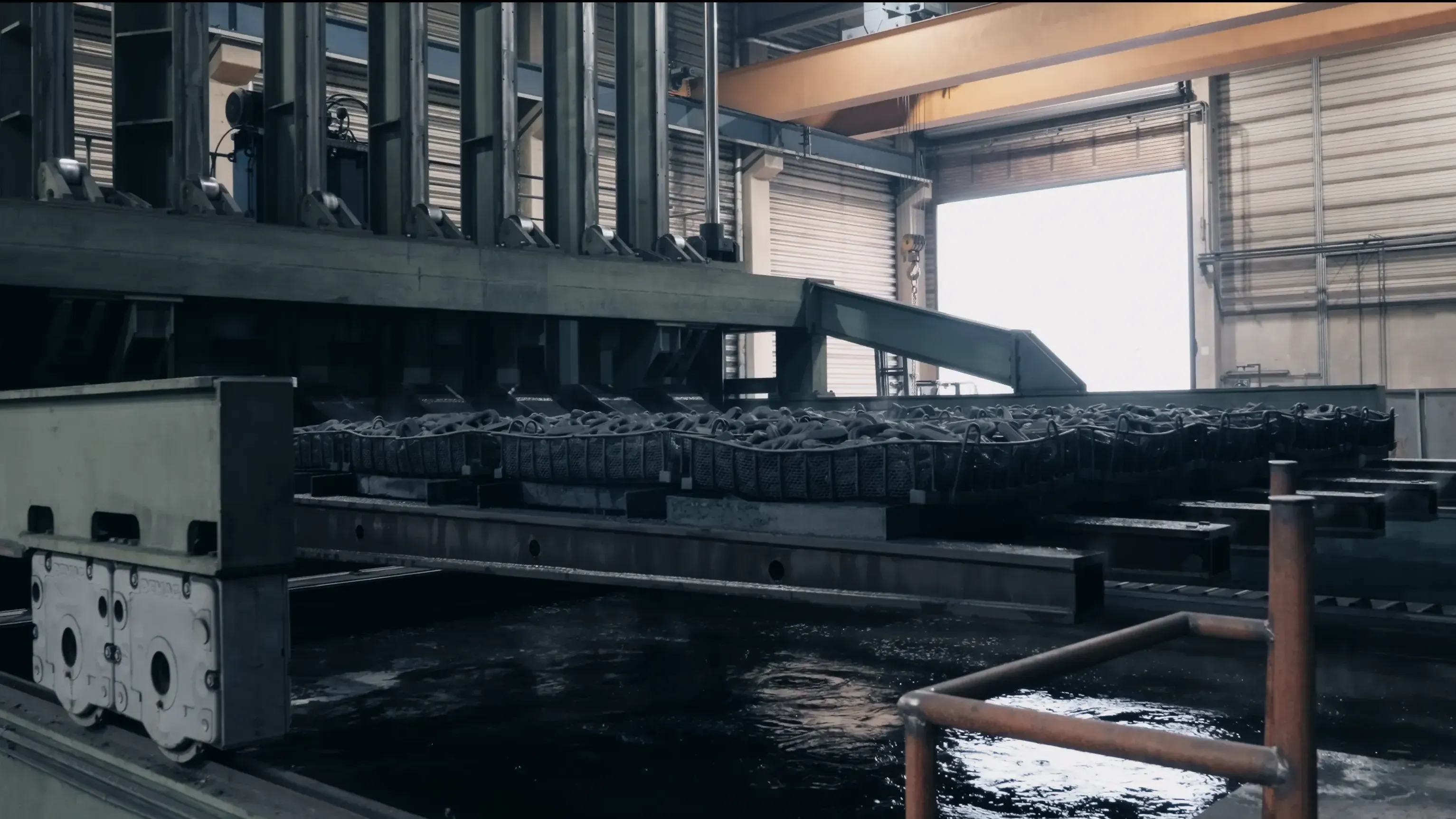
What specific characteristics or factors of your facility affect the quality of the heat treatment? + − Very high operating temperatures and controlled cooling rates support the required mechanical properties and stress relief. Large cooling tanks (polymer quenching tanks) and a variety of cooling methods allow for customized process adjustments depending on the material and component.
Very high operating temperatures and controlled cooling rates support the required mechanical properties and stress relief. Large cooling tanks (polymer quenching tanks) and a variety of cooling methods allow for customized process adjustments depending on the material and component.
What advantages does your system offer specifically for heavy-duty welded structures? + − Performing stress relieving heat treatment or normalizing, as well as other specialized heat treatment processes. The large dimensions of the working area and high weight capacity enable the treatment of large and heavy components.
Performing stress relieving heat treatment or normalizing, as well as other specialized heat treatment processes. The large dimensions of the working area and high weight capacity enable the treatment of large and heavy components.
What types of bridge or process solutions do you offer in addition to heat treatment? + − Professional stress relieving heat treatment or normalizing, as well as other specialized heat treatment processes for optimizing heavy-duty welded structures. Goal: To relieve stresses and ensure the longevity of the components.
Professional stress relieving heat treatment or normalizing, as well as other specialized heat treatment processes for optimizing heavy-duty welded structures. Goal: To relieve stresses and ensure the longevity of the components.